
In the ever-evolving world of interior design, trends come and go with remarkable speed. What captivates homeowners today may feel dated within a few short years. Yet certain design styles possess an enduring quality that transcends fleeting fashion.
These are the aesthetics that have weathered decades or even centuries, continuing to inspire elegance and sophistication in contemporary spaces.
At the heart of these timeless interiors lies an often-overlooked yet critical element: the door. More than mere functional necessities, doors serve as defining architectural features that reinforce a style’s character, guide spatial transitions and contribute to the overall narrative of a home.
When chosen thoughtfully, they elevate timeless design from merely pleasing to truly exceptional.
This article explores the most enduring interior design styles and examines how the right doors bring these aesthetics to life, creating spaces of lasting beauty and refinement.
Traditional Design: Honoring Heritage with Grace
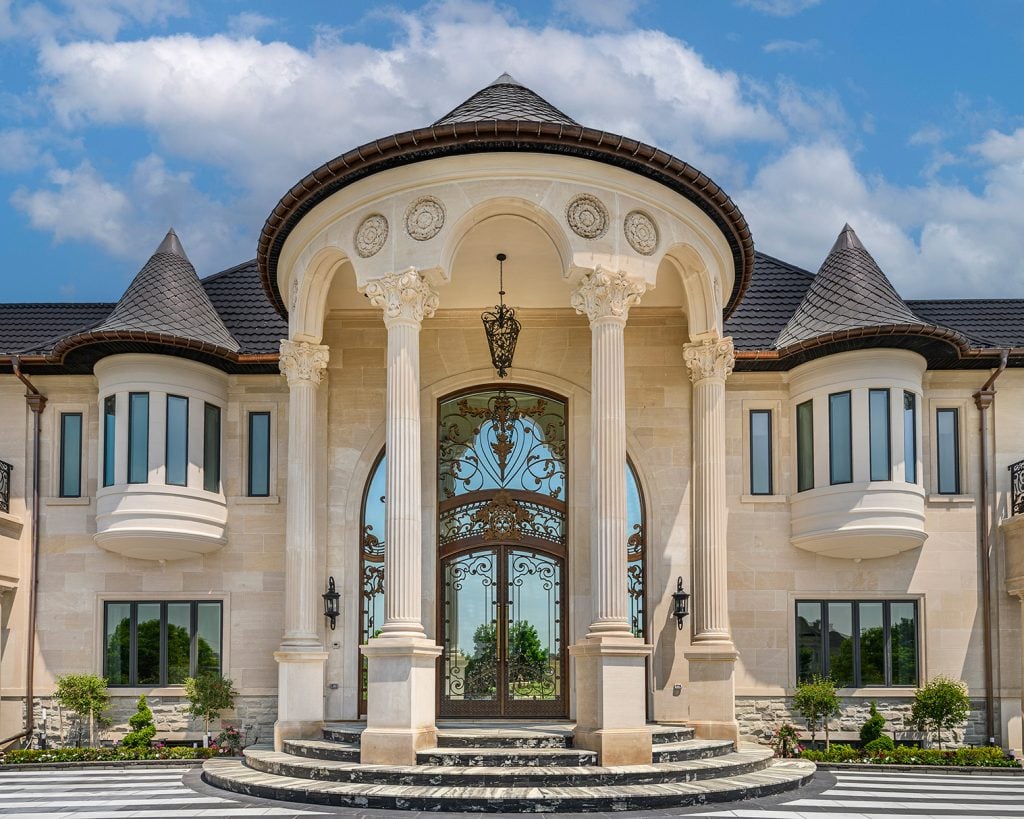
Traditional interior design draws inspiration from 18th and 19th-century European decor, particularly English, French and American Colonial styles.
This aesthetic emphasizes symmetry, rich materials, classic furniture silhouettes, and detailed architectural elements. Traditional spaces feel elegant yet comfortable, formal yet inviting.
Key characteristics include dark wood furniture with refined lines, upholstery in damask, toile, or floral patterns, ornate crown molding and wainscoting, crystal chandeliers and polished brass fixtures and a sophisticated color palette of creams, taupes, burgundies, and forest greens.
Traditional design relies heavily on architectural details to establish its refined character. Doors in traditional interiors are never simple afterthoughts but carefully crafted elements that contribute to the overall sense of establishment and heritage.
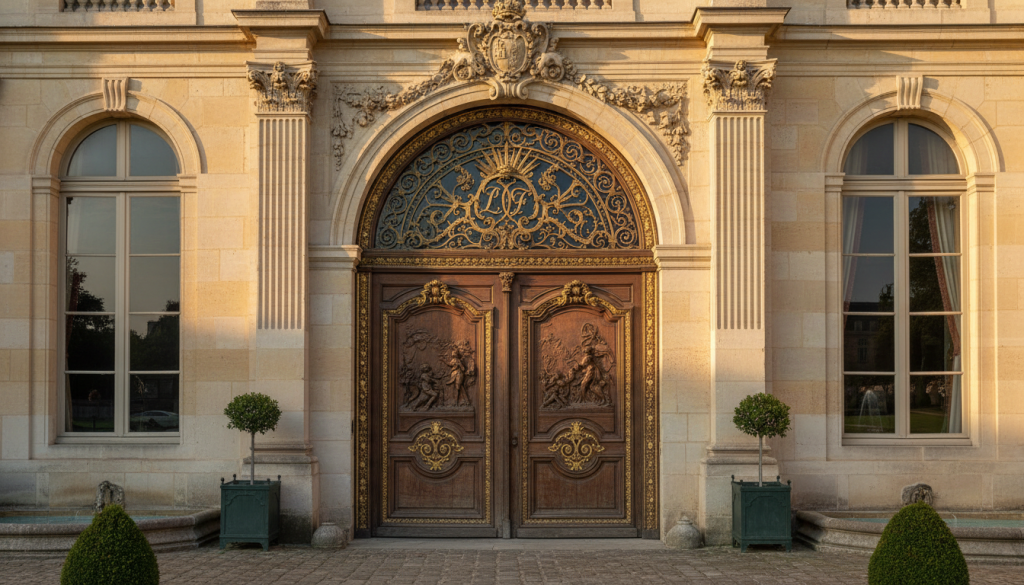
The quintessential traditional door features raised panels, often arranged in symmetrical configurations. Six-panel and eight-panel designs remain classics, their proportions balanced and pleasing to the eye. The panels themselves may be flat or feature subtle contouring, and the surrounding stiles and rails display careful attention to width and proportion.
Wood selection reinforces the traditional aesthetic. Rich hardwoods like mahogany, cherry, and walnut bring warmth and gravitas.
These materials age beautifully, developing deeper tones and character over time. Traditional doors often feature stained finishes that showcase the wood’s natural grain, though painted versions in crisp white or cream work equally well in lighter traditional schemes.
For interior spaces, traditional French doors with multiple panes of glass add transparency while maintaining the style’s characteristic elegance.
These doors, with their smaller divided lights arranged in geometric grids, originated in 17th-century France and have remained design staples for good reason.
They flood adjacent rooms with natural light while preserving visual definition between spaces.
Hardware matters enormously in traditional design. Antique brass, oil-rubbed bronze, or polished nickel lever handles, knobs, and hinges should feel substantial and well-crafted. Decorative backplates, rosettes, and escutcheons add layers of refinement.
French Country: Rustic Elegance from Provence
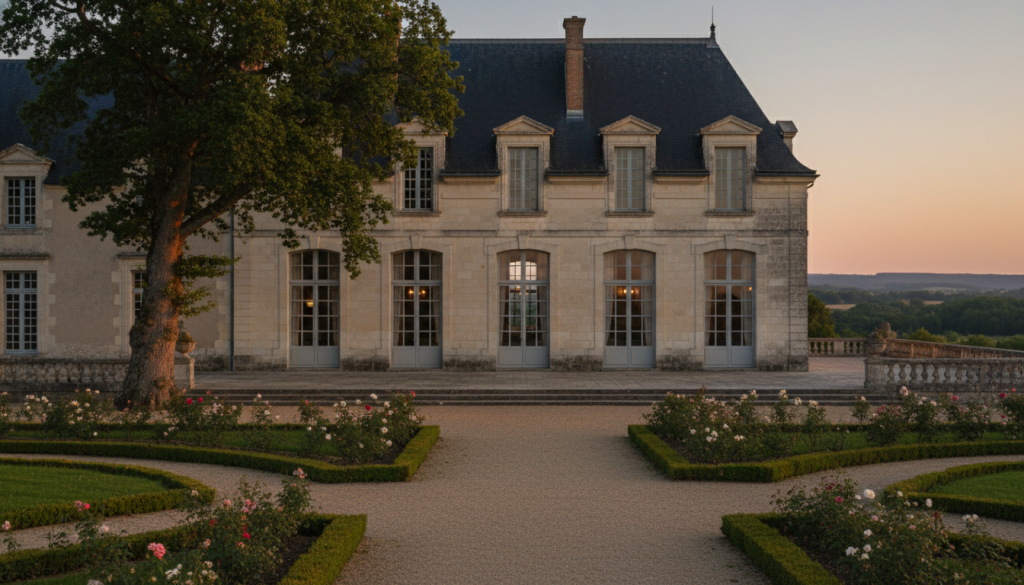
French Country design evokes the charm of rural France, particularly the sun-drenched Provence region. This style balances rustic authenticity with refined elegance, creating spaces that feel both sophisticated and lived-in.
Unlike more formal French styles, French Country embraces imperfection and age, celebrating weathered surfaces and natural materials.
The aesthetic incorporates soft, muted color palettes of whites, creams, pale yellows, lavenders, and soft blues.
Natural materials feature prominently, with limestone, terracotta, aged wood, and wrought iron appearing throughout.
Furniture tends toward antique or vintage pieces with curved lines and ornate details. Toile fabrics, botanical prints, and provincial patterns add pattern and interest.
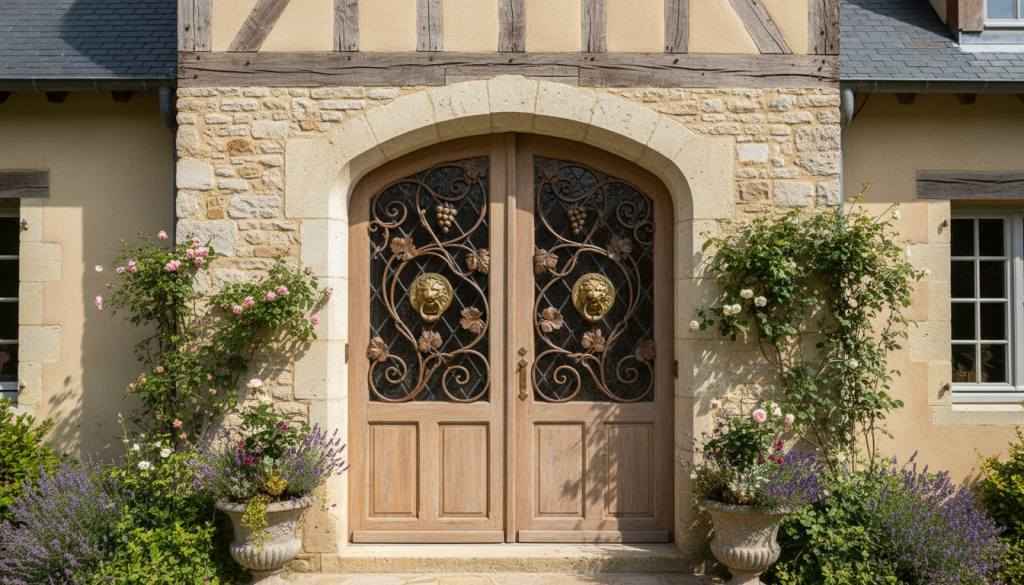
Doors in French Country interiors serve as bridges between rustic charm and elegant refinement.
They should feel handcrafted and full of character rather than factory-perfect.
Interior French doors work beautifully in this style, particularly those with tall, narrow glass panes that allow light to pass freely between rooms.
The frames might be painted in soft white or cream, often with a deliberately aged or distressed finish that suggests years of use. This weathering should appear natural rather than artificially applied.
Solid wood doors in French Country homes often feature simple raised panels or vertical plank construction. The wood itself should have character: visible grain, subtle imperfections, and warm tones that speak to natural origins. Aged oak, pine, or walnut work particularly well.
Hardware embraces wrought iron with hand-forged qualities. Thumb latches, strap hinges, and decorative clavos (decorative nail heads) reference traditional French craftsmanship. The finish should be dark and matte rather than polished, suggesting iron that has naturally aged over time.
For exterior doors and garden entries, arched tops add romantic appeal. Stone or brick surrounds frame these entrances, and the doors themselves might feature hand-carved details, nail studs, or decorative ironwork panels.

Transitional Style: The Perfect Balance
Transitional design represents perhaps the most versatile of timeless styles. As its name suggests, it bridges traditional and contemporary aesthetics, blending the warmth and refinement of classic design with the clean lines and simplicity of modern approaches.
This fusion creates spaces that feel both current and enduring, luxurious yet uncluttered.
Transitional interiors feature neutral color palettes with strategic accent colors, furniture that combines straight lines with subtle curves, a mix of materials including wood, metal, glass, and stone and minimal ornamentation balanced with careful attention to proportion and scale.
The strength of transitional design lies in its restraint. Rather than choosing between opposing styles, it selects the most appealing elements of each and combines them harmoniously.
Doors in transitional spaces must walk the same careful line, appearing neither too ornate nor too stark. The goal is quiet sophistication that complements rather than dominates.

Simple panel configurations work best, typically two to five panels arranged symmetrically. The panels themselves feature clean edges without excessive molding or detail. Flush panels (where the panel surface aligns with the surrounding frame) offer particular transitional appeal.
Wood remains the preferred material, but finishes tend toward lighter stains or painted surfaces in soft whites, grays, or taupes. The wood grain may show subtly through the finish, adding textural interest without visual weight.
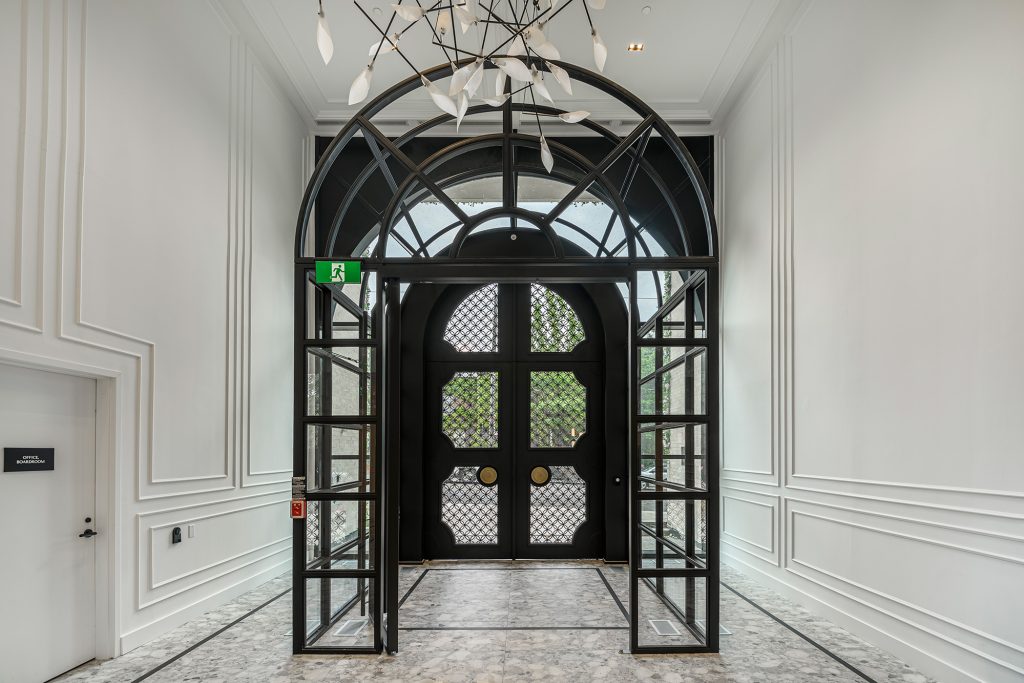
Glass elements appear in transitional doors but in simplified forms. Rather than multiple divided lights, transitional designs often feature larger glass panels, perhaps frosted or reeded for privacy, that allow light transmission while maintaining clean lines.
Hardware should be minimal and refined. Brushed nickel, satin brass, or matte black finishes work well. Lever handles with simple profiles or elongated pulls create contemporary touches without abandoning traditional functionality.
The key to successful transitional doors is achieving a sense of timelessness through careful proportions and quality materials rather than through applied decoration.
Mid-Century Modern: Timeless Innovation
Mid-century modern design, flourishing from the 1940s through the 1960s, brought a revolutionary approach to residential interiors. This style rejected excessive ornamentation in favor of clean lines, organic forms, and a connection between indoor and outdoor spaces. Decades later, mid-century modern remains remarkably current, proof of its fundamental design wisdom.
Characteristics include furniture with tapered legs and geometric shapes, open floor plans with minimal barriers, large windows that bring the outdoors in, wood tones ranging from warm teak to rich walnut, and strategic pops of color against neutral backgrounds.
Mid-century modern spaces prioritize function and form equally, creating environments that work efficiently while looking effortlessly stylish.
Doors in mid-century modern homes often become sculptural elements themselves, celebrating materials and form with minimal embellishment.
Flush doors with smooth, uninterrupted surfaces align perfectly with the movement’s aesthetic. These doors might be solid wood or feature wood veneer over a hollow core, emphasizing clean planes and seamless integration with walls.

When panels appear, they tend to be horizontal rather than vertical, echoing the period’s preference for horizontal lines. Tambour doors, consisting of narrow vertical slats, also suit mid-century aesthetics, adding texture through repetition.
Glass plays a significant role in mid-century door design. Floor-to-ceiling sliding glass doors blur boundaries between interior and exterior spaces.
Interior doors might incorporate large glass panels, sometimes with decorative dividers in geometric patterns inspired by designers like George Nelson or Charles Eames.
Wood choices lean toward warmer tones. Teak, walnut, and mahogany appear frequently, often with oil or Danish oil finishes that enhance the natural grain while maintaining a matte or satin sheen.
Painted doors in crisp white or period colors like avocado, mustard, or burnt orange make bold statements in appropriate contexts.
Hardware should be simple and sculptural. Lever handles in brass, chrome, or wood integrate seamlessly with the door’s design. Pocket doors and sliding barn door systems (though predating the term) fit the era’s space-efficient thinking.
Classic Contemporary: Modern Refinement
Classic contemporary design represents a more recent addition to the timeless category, though it draws on modernist principles with roots stretching back decades. This style emphasizes simplicity, quality, and restraint, creating spaces that feel current without being trendy.
The aesthetic features neutral palettes with occasional bold accents, clean architectural lines, high-quality natural materials, minimal but carefully selected decor, and an emphasis on light and space.
Unlike minimalism, which can feel austere, classic contemporary maintains warmth through material choices and thoughtful layering.
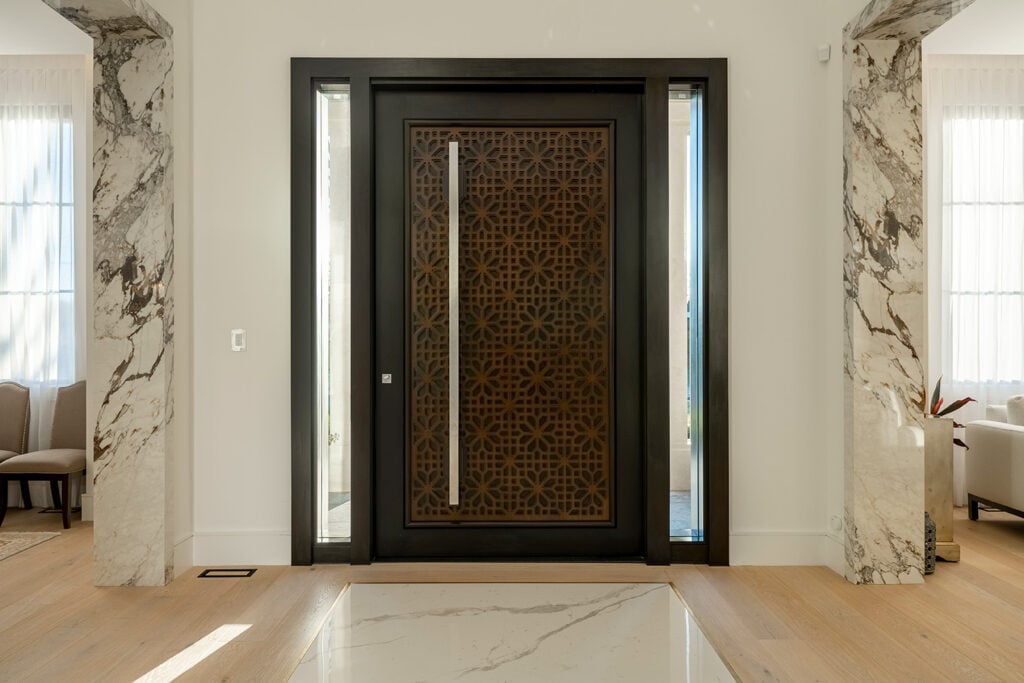
Doors in classic contemporary spaces should embody the same principles of refined simplicity. They create clean transitions without drawing unnecessary attention while maintaining a sense of luxury through material quality and precise execution.
Flat panel or slab doors align naturally with this aesthetic. These doors feature smooth, uninterrupted surfaces that blend seamlessly with walls. When painted the same color as surrounding surfaces, they can virtually disappear, allowing architecture and furnishings to take precedence.
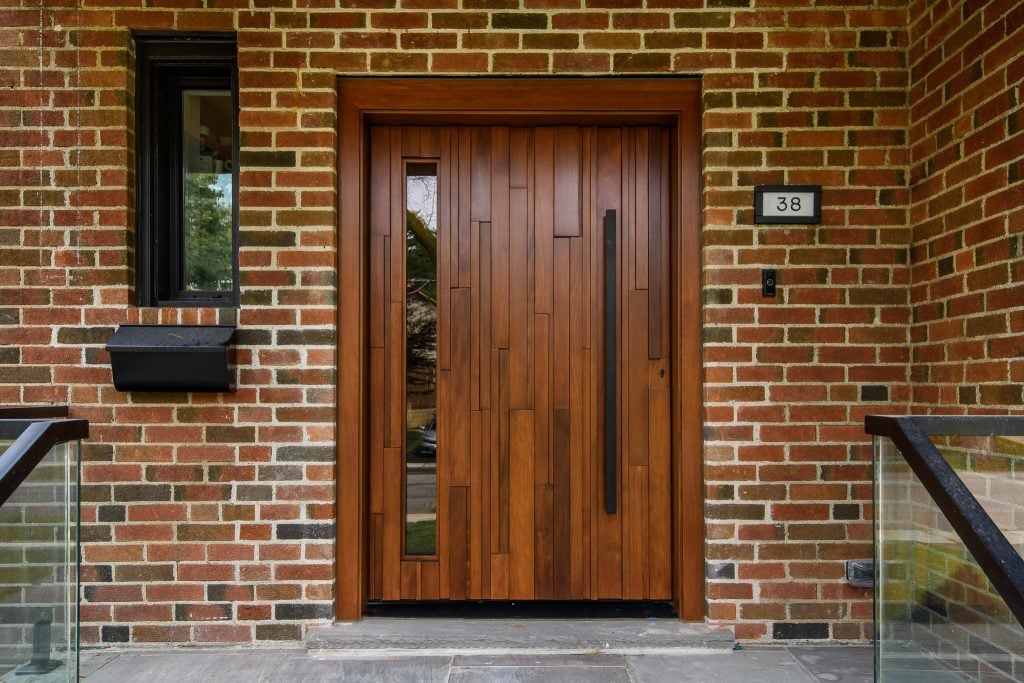
When wood is featured, it appears in its natural state or with minimal treatment. Light woods like white oak, ash, or maple suit Scandinavian-influenced contemporary spaces, while darker woods like walnut add warmth and sophistication.
Oversized doors make powerful statements in contemporary settings. Tall, wide single panels or pivot doors create dramatic thresholds that emphasize scale and proportion.
Glass doors maintain the contemporary preference for openness and light. Frameless or minimally framed glass doors separate spaces while preserving visual connectivity. Frosted, reeded, or fluted glass provides privacy variations while maintaining the clean aesthetic.
Hardware should be discrete or entirely concealed. Recessed pulls, edge-grip systems, or integrated handles maintain the door’s smooth profile. When visible, hardware should feature simple, geometric forms in brushed stainless steel, matte black, or architectural bronze.
Mediterranean: Sun-Soaked Timelessness
Mediterranean design draws inspiration from the coastal regions of Spain, Italy, and Greece, creating interiors that evoke warmth, history, and relaxed luxury. This style has endured because it successfully balances grandeur with comfort and formality with ease.
Key elements include warm earth tones with accents of cobalt blue and terracotta, textured plaster walls and exposed ceiling beams, terra cotta or stone flooring, wrought iron details, and arched architectural elements.
Mediterranean spaces feel substantial and permanent, suggesting homes built to last generations.
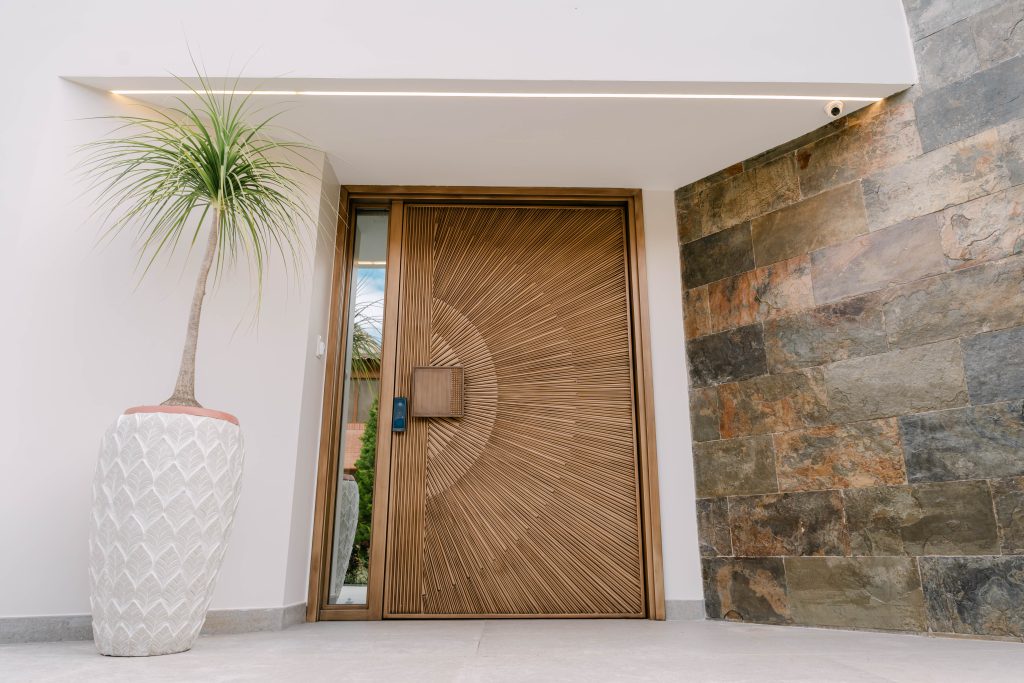
Doors in Mediterranean design often serve as focal points, celebrating craftsmanship and Old World detailing.
Heavy wooden doors with substantial presence suit Mediterranean aesthetics perfectly. These might be crafted from reclaimed wood or aged to suggest history. Vertical plank construction, sometimes with decorative nail heads, creates rustic appeal.
Arched doorways are nearly synonymous with Mediterranean style. The arch softens the geometry of rectangular spaces while adding architectural interest.
Doors fitting these openings should acknowledge the curve, either matching it exactly or creating an interesting geometric contrast.
Carved details elevate Mediterranean doors from functional to artistic. Geometric patterns inspired by Moorish design, floral motifs, or simple relief carvings add visual interest without overwhelming.
Glass elements in Mediterranean doors often take the form of small windows with decorative ironwork grilles. These allow ventilation and light while maintaining privacy and security.
Hardware embraces wrought iron with substantial, often ornate designs. Thumb latches, ring pulls, and decorative strap hinges all work well. The iron should show character, whether through hammered texture or aged patina.
For exterior entries, double doors create impressive statements. These might incorporate speakeasy grilles, carved panels, or decorative nail patterns that reference Spanish Colonial heritage.
Coastal: Serene and Enduring
Coastal design captures the breezy, relaxed atmosphere of seaside living. While this style has evolved from literal nautical themes to more sophisticated interpretations, its core principles of lightness, natural materials, and connection to water remain constant.
Modern coastal design features soft neutral palettes with watery blues and greens, natural textures including linen, jute, rattan, and driftwood, abundant natural light, organic shapes, and comfortable, casual furnishings.
This style works far from actual coasts because it evokes a mood rather than demanding literal beach proximity.
Doors in coastal interiors should reinforce the aesthetic’s airy, relaxed character while maintaining durability and quality.
Painted doors in soft whites, warm creams, or pale grays create the foundation for coastal style. These colors reflect light and maintain the bright, open feeling crucial to the aesthetic. Wood doors with whitewashed or pickled finishes suggest driftwood while preserving grain visibility.

Glass is essential to coastal door design. French doors with multiple panes, sliding glass doors opening to decks or patios, and interior doors with glass inserts all maximize light transmission and maintain visual connection to outdoor spaces.
For a more contemporary coastal approach, oversized sliding doors in minimal frames create wall-sized openings to gardens, pools, or water views.
These dissolve boundaries between inside and outside, a key principle in beach-inspired living.
Vertical plank doors painted in soft coastal colors work beautifully as interior passage doors. The vertical lines suggest simplicity and casual ease while the painted finish keeps spaces bright.
Hardware should be simple and maintenance-friendly. Satin nickel, brushed chrome, or even white-painted metal finishes suit the aesthetic. Because coastal areas can be harsh on materials, hardware should be specifically designed to resist corrosion and weather.
Barn door hardware, particularly in white or soft gray finishes, has found a natural home in coastal design, offering space-saving functionality with casual, relaxed appeal.
The Unifying Principles of Timeless Door Selection
While each classic design style makes distinct demands on door selection, certain overarching principles guide successful choices across all aesthetics.
Quality materials form the foundation. Whether choosing rich mahogany for traditional spaces or clean oak for contemporary settings, material integrity matters. Fine woods, carefully selected and properly finished, age gracefully and maintain their beauty through decades of use.

Proportion and scale must align with architectural context. Doors should feel neither too heavy for their openings nor so slight as to seem insubstantial. Ceiling height, room size, and overall architectural mass all influence appropriate door dimensions.
Craftsmanship quality separates truly timeless doors from temporary solutions. Precision joinery, careful finishing, and attention to detail ensure doors function smoothly and maintain their beauty. Hand-crafted elements, even in contemporary styles, add a level of refinement that machine production cannot replicate.
Hardware selection requires equal attention. Door handles, hinges, and other functional elements should complement the door’s style and the room’s overall aesthetic. Quality hardware operates smoothly and maintains its finish over time.
Consistency matters. A home need not have identical doors throughout, but they should relate to one another through material, finish, or style elements. This creates coherence while allowing individual rooms to express their own character.
Doors as Defining Elements
In any timeless interior, doors serve multiple functions simultaneously. They provide privacy, control sound and climate, enable circulation, and contribute to safety and security. But beyond these practical roles, exceptional doors elevate spaces through their presence, their materials, and their craftsmanship.
Traditional homes come alive when paneled mahogany doors suggest heritage and permanence. French Country spaces gain authenticity through weathered oak doors with hand-forged iron hardware.
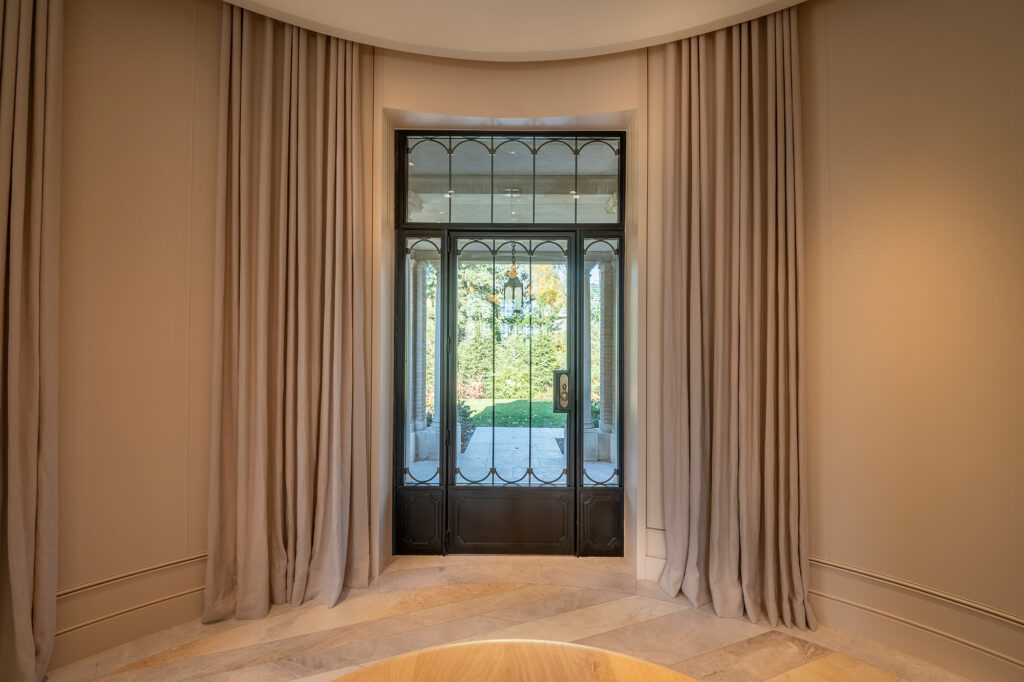
Transitional interiors achieve their characteristic balance through doors that blend classic proportions with contemporary restraint. Mid-century modern rooms preserve their iconic aesthetic through horizontal-lined doors in warm wood tones.
Contemporary spaces maintain their refined simplicity through minimal slab doors with concealed hardware.
Mediterranean homes celebrate Old World craftsmanship through carved wooden doors in arched openings. Coastal interiors embody breezy elegance through painted French doors and sliding glass panels.
In each case, the door is not merely filling an opening but actively contributing to the space’s character and appeal.
Creating Lasting Beauty
Choosing timeless interior design styles means rejecting the pressure to constantly update and refresh. It represents confidence in enduring aesthetics and trust in quality over novelty.
And it recognizes that true luxury lies not in following every trend but in curating spaces of lasting beauty and significance.
Doors chosen for timeless interiors must embody these same values. They should be crafted with care, designed with understanding of both form and function, and selected to harmonize with their architectural context.


When these elements align, doors transcend their practical purpose and become integral components of spaces that inspire and satisfy for generations.
For those seeking to create or enhance timeless interiors, door selection deserves careful consideration equal to any other design decision.
The right doors, thoughtfully chosen and beautifully executed, have the power to define spaces, reinforce aesthetic intentions and contribute to the enduring elegance that characterizes truly timeless design.
In an era of constant change, there is profound satisfaction in creating spaces that remain relevant and beautiful regardless of shifting trends.
And within those spaces, the humble door, when crafted with expertise and selected with care, plays an essential role in bringing timeless aesthetics to life.