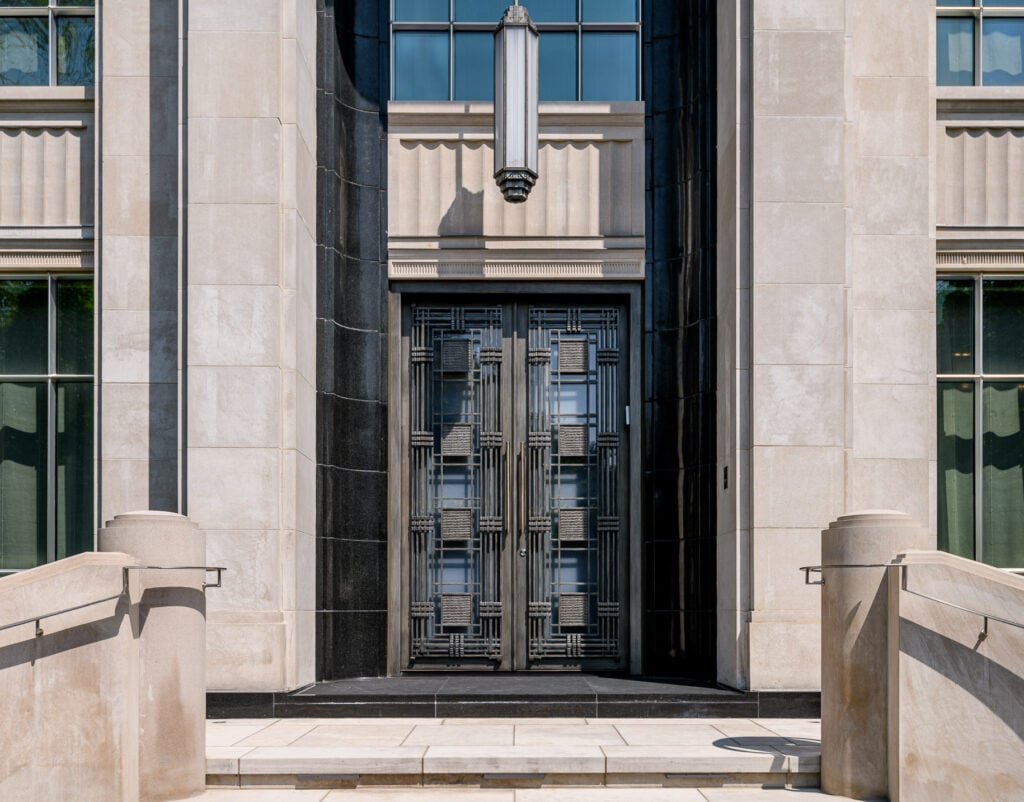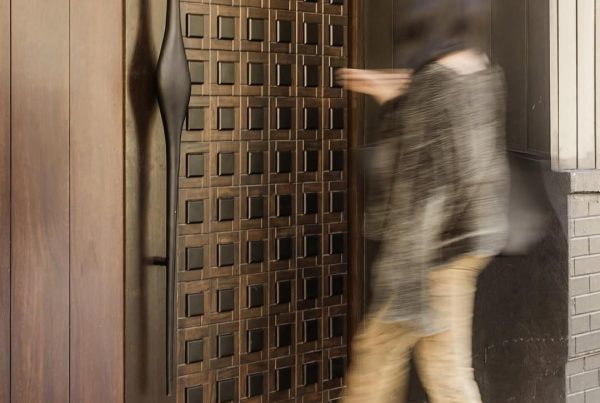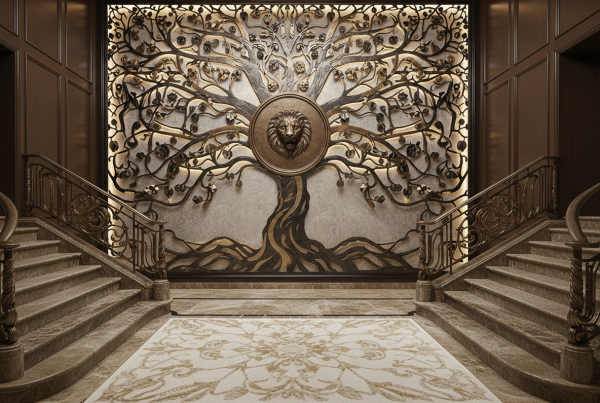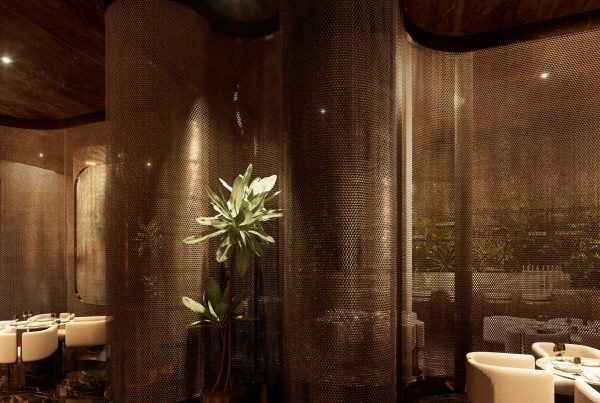
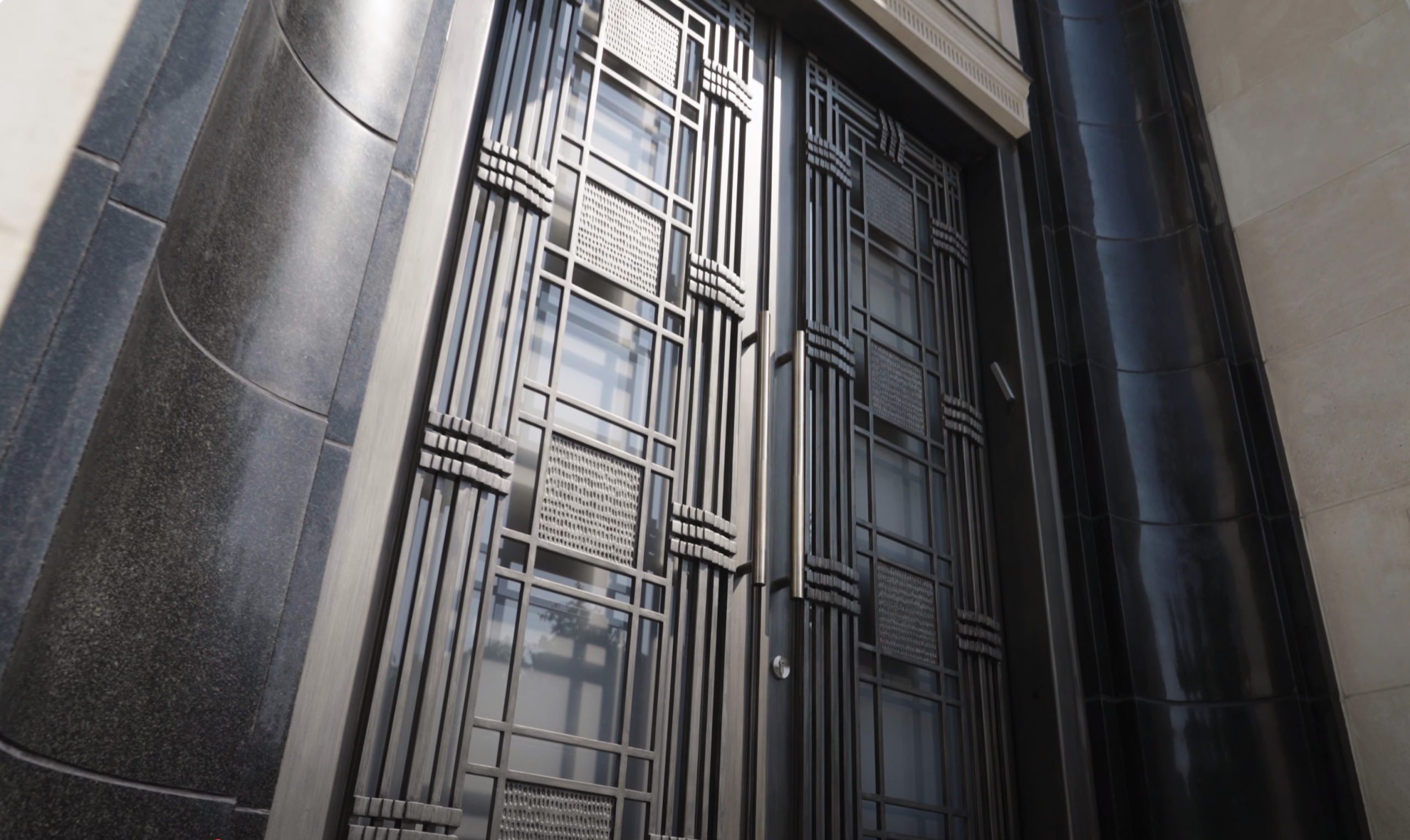

Art Deco emerged in the early 20th century as a celebration of modernity, luxury, and craftsmanship. Characterized by geometric shapes, rich materials, and bold ornamentation, it officially rose to prominence through the 1925 Exposition des Arts Décoratifs et Industriels Modernes in Paris, which gave the movement its name.
The style flourished in the 1920s and 1930s, spreading from Europe to North America and then globally. It became a means of expressing progress, elegance, and optimism in the inter‑war years. Typical features include setbacks in skyscrapers, sunburst motifs, chevrons and zig‑zag patterns, streamlined curves, chrome or metal accents, bold symmetry, and the use of exotic materials like ebony, ivory, lacquer, and marble.

Historical Context
After World War I, societies sought design languages that embodied optimism, modern technology, and new luxury. Art Deco blended craftsmanship with machine-age aesthetics. In the United States, dramatic skyscrapers and theatres embodied this modern luxury:
- Chrysler Building, New York City (1930): Iconic setbacks, spire, and metallic ornamentation.
- Eastern Columbia Building, Los Angeles (1930): Turquoise terra-cotta façade with gold accents.
- Fisher Building, Detroit (1928): Monumental limestone, granite, and marble structure.
In Asia, temple doors and façades incorporated jade, lapis lazuli, and mother-of-pearl, while in the Middle East, palaces and Moroccan riads used inlaid metals and real gemstones for calligraphy, arabesque patterns, and mosaic-style details. Mumbai’s “Indo-Deco” along Marine Drive is another example of Art Deco adapting to local culture and climate.

Art Deco on Screen
Cinema embraced Art Deco’s glamour and visual drama:
- Metropolis (1927): Futuristic cityscape inspired by modern skyscrapers.
- The Great Gatsby (2013): Interiors and exteriors showcasing metallics, geometric patterns, and luxury.
- Nightmare Alley (2021): Authentic Art Deco elements, including gold leaf, lacquered walls, and dramatic lighting.

Art Deco in Celebrity Homes & Interiors
While not all celebrity homes are strictly Art Deco, many incorporate its motifs:
- Dolores del Río House, Los Angeles (1929): Designed for actress Dolores del Río and MGM art director Cedric Gibbons, featuring signature Art Deco elements.
- Drake’s Toronto Mansion (“The Embassy”): Modern reinterpretation of Art Deco with gold accents and bold geometry.
- Ashley Tisdale’s Home: Dark woods, metallics, and fluted details reflect Art Deco influence.

Why Art Deco Matters in Modern Design
- Timeless luxury: Rich materials like marble, chrome, and lacquer reflect inherent elegance.
- Bold geometry: Sunbursts, chevrons, and straight lines convey order and refinement.
- Custom craftsmanship: Handcrafted furniture, metalwork, and lighting elevate bespoke luxury projects.
- Adaptable scale: From skyscrapers to cabinetry, Art Deco can function on any scale.
- Cultural legacy: International influences allow designers to tell rich, diverse stories.

Bringing Art Deco Into Your Project
For luxury residences, hotels, or corporate spaces:
- Use chrome, brass, lacquer, and marble for feature elements.
- Introduce geometric ornamentation: sunbursts, chevrons, stepped profiles.
- Create rich contrasts with dark woods, metallics, and marble.
- Consider architectural scale: integrate Art Deco proportions and setbacks.
- Adapt to local context, just as Mumbai’s Deco evolved to its environment.
Art Deco offers timeless elegance, confidence, and refinement. For projects seeking high-end design that tells a story, this style remains a powerful source of inspiration.