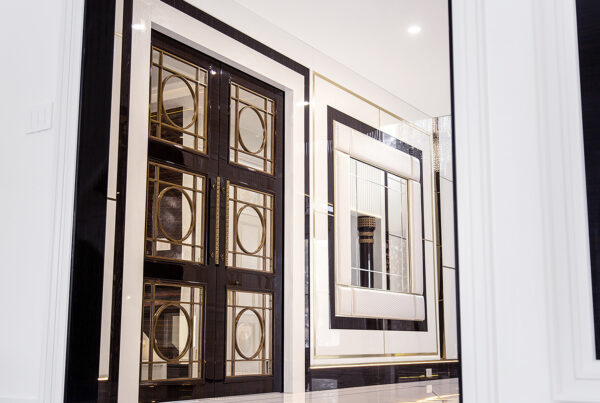

Every custom door begins long before wood is cut or metal is forged. It starts with an idea; a feeling, a vision, a desire to create something that doesn’t yet exist.
For homeowners who appreciate craftsmanship and design at their highest expression, a door is not a building component. It is a statement. A threshold. A piece of functional art.
At Art Boulle, the journey from the first sketch to the final installation is a process shaped by collaboration, precision, and artistry. It’s a journey that transforms a concept into something you can touch, open, and live with every day. Let’s walk through that journey.
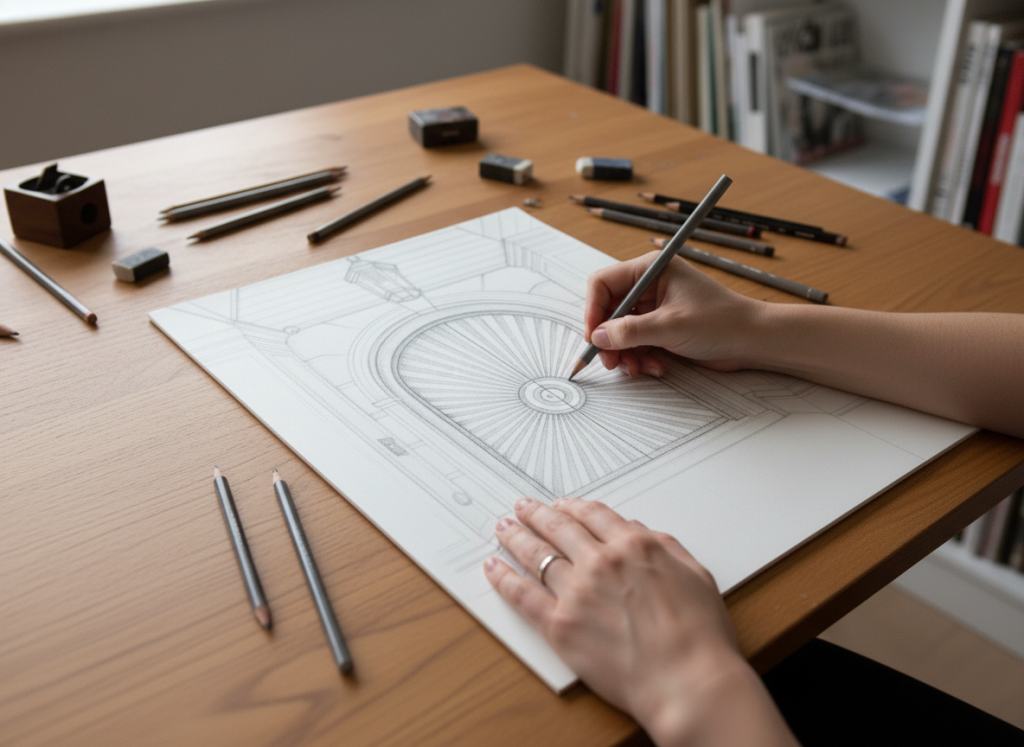
1. Where Imagination Takes Shape
The creation of a custom door always begins with a conversation. Homeowners often come to Art Boulle with an idea, sometimes fully formed, sometimes just a mood or a collection of inspirations.
During this stage, we explore:
- Architectural style of the home
- Desired atmosphere or visual impact
- Material preferences such as teak, mahogany, bronze, or steel
- Requirements for privacy, security, and insulation
- Any artistic or personal elements that should be incorporated
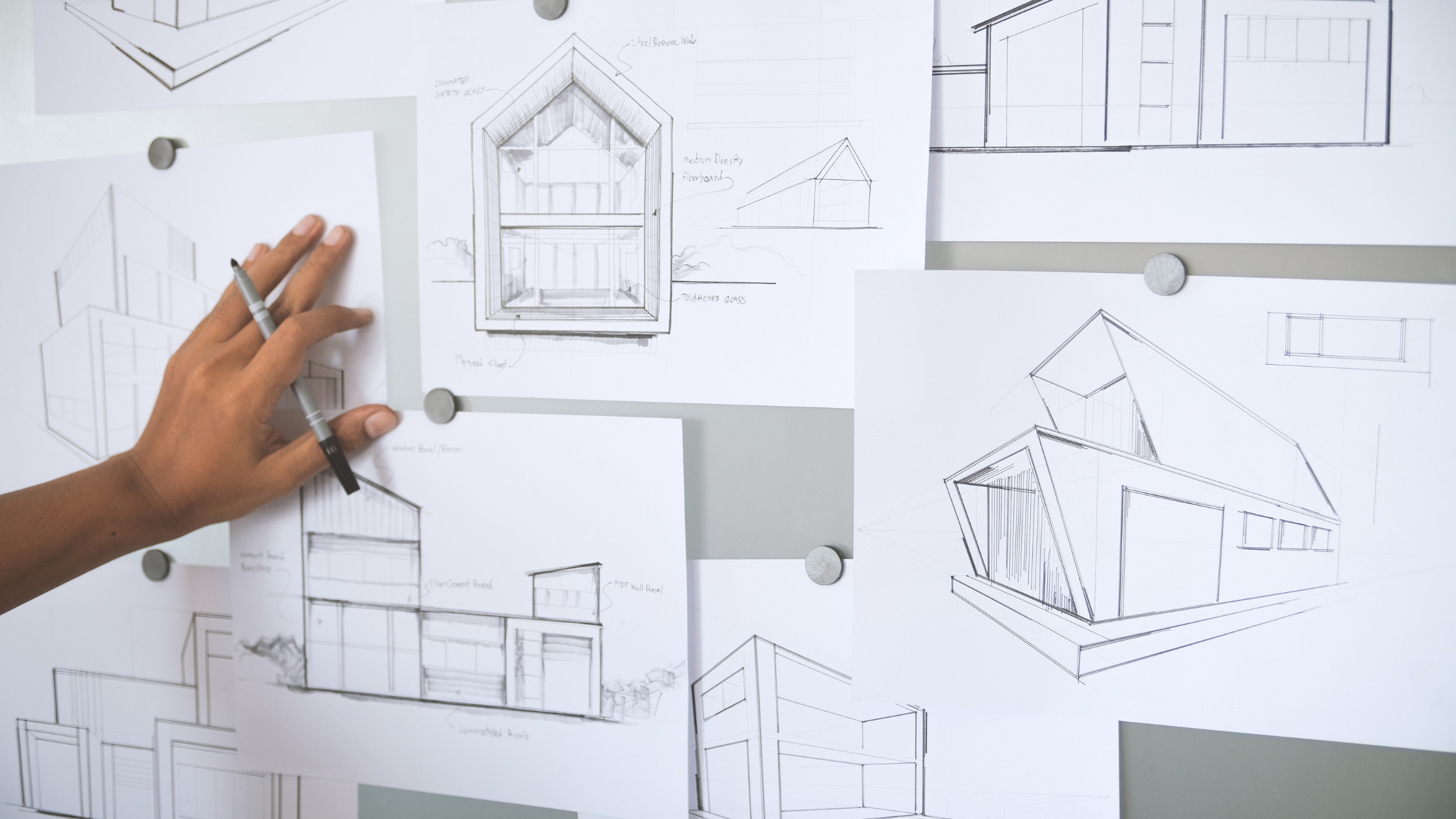
Sketches emerge not as technical drawings but as stories in visual form; the beginning of an identity. This first step is where creativity is limitless, and the door begins to reveal its personality.
2. Designing the Details
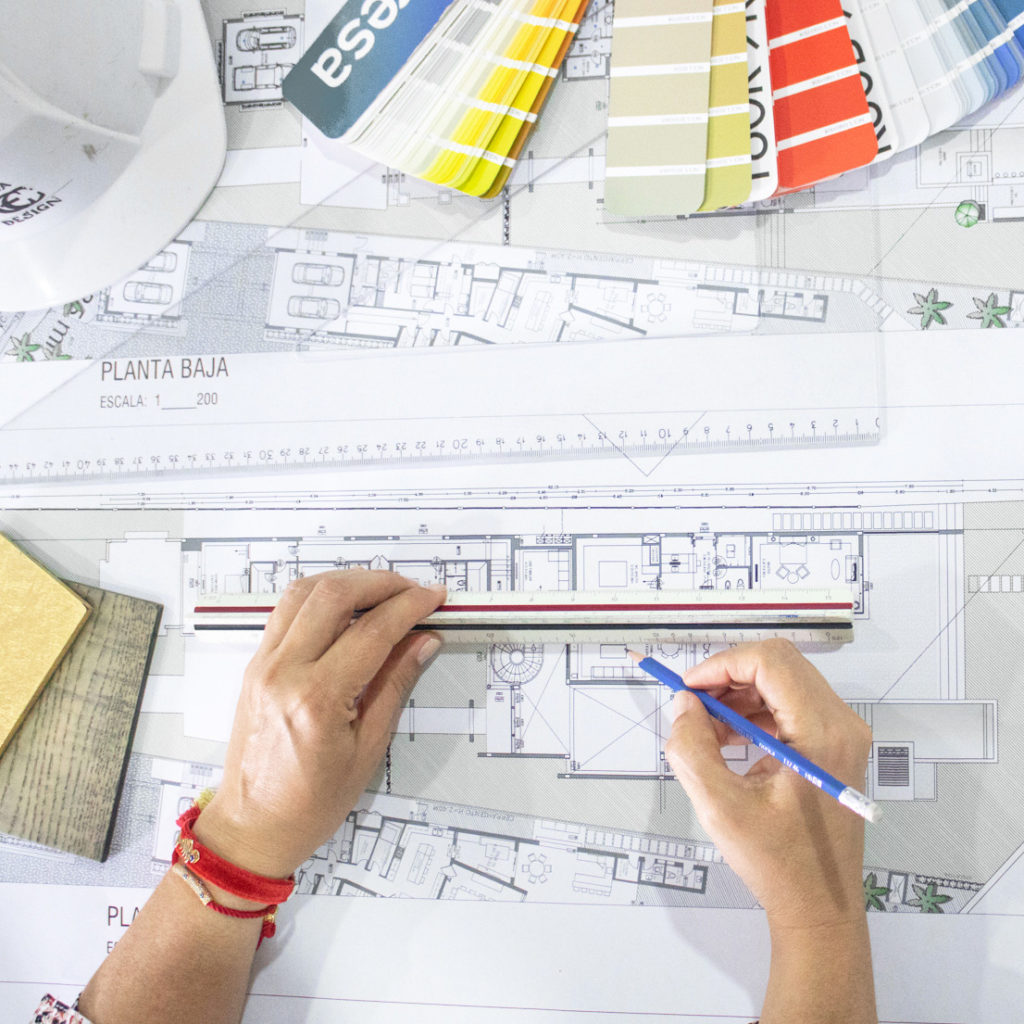
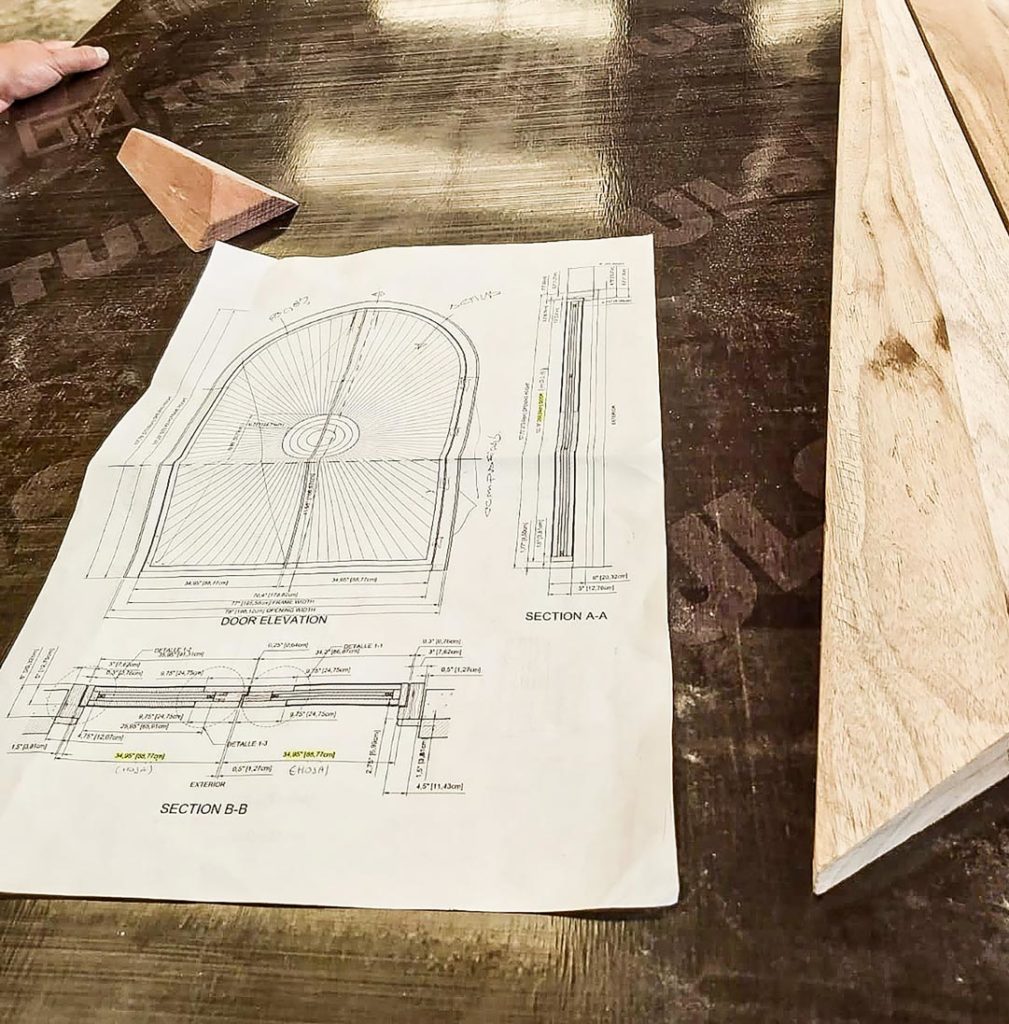
Once the concept is established, designers refine the idea into a detailed set of proportions, materials, and structural considerations.
This phase is where artistry meets engineering:
- Grain direction in wood must be intentional.
- Metal elements must balance aesthetic weight with structural strength.
- Glass inserts must complement both the design and the climate.
- Hardware choices must feel consistent with the door’s tone.
- The scale of the door must harmonize with the surrounding architecture.
Every seam, every curve, and every joint is planned with precision. The final design isn’t just beautiful — it is buildable, durable, and timeless.
3. Choosing the Elements of Character
A custom door’s longevity and elegance depend on the materials chosen. This stage is a deep, tactile experience — examining textures, tones, and the natural character of each material.
For wood, the selection might include:
- Teak for its remarkable stability and golden warmth
- Mahogany for its rich character and durability
- Walnut for its deep tonal variation
- White Oak for clean grain and modern refinement
Metal components may include wrought iron, bronze, or stainless steel, each offering a distinct presence and performance. Glass inserts, if used, are selected for clarity, insulation, and artistry. Each material plays a role not only in the door’s appearance but in how it will respond to Canadian winters, coastal humidity, or daily use.
4. Where the Door Comes to Life
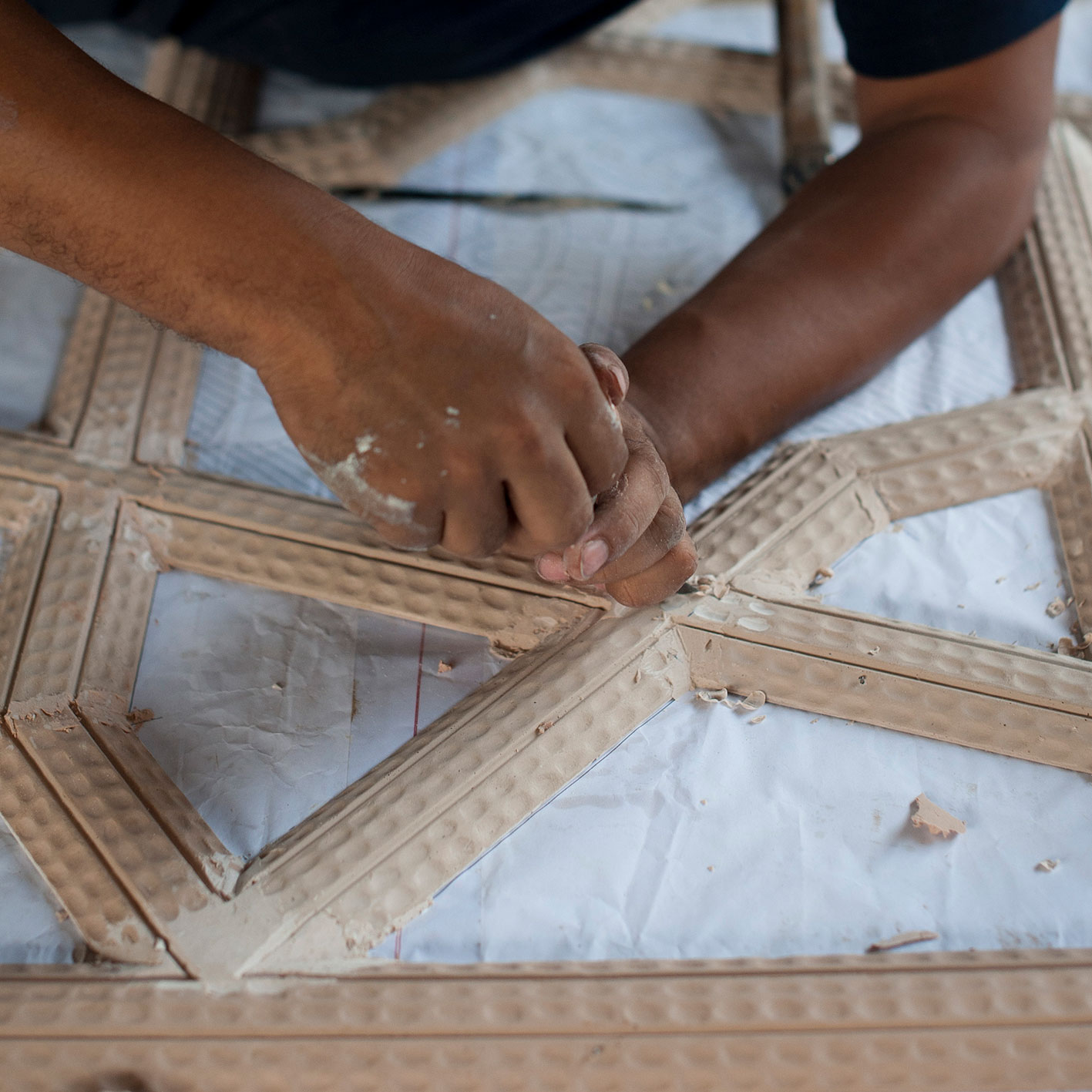
Once the materials are chosen, the artisans take over — and this is where the door truly begins to breathe. Handcrafting includes:
- Forming and sculpting the raw wood
- Forging metal elements through heat, pressure, and traditional techniques
- Carving patterns or shaping relief textures
- Joining panels using centuries-tested methods
- Sanding by hand to achieve flawless surfaces
- Applying finishes that enhance grain, color, and protection
This stage cannot be rushed. Each door demands patience, attention, and an understanding of how materials behave. No two Art Boulle doors are ever identical — because no two pieces of wood or metal ever tell the same story.

5. Protecting Beauty With Precision
The finish is not merely aesthetic — it’s a shield. Especially in Canada, where climate can shift dramatically, the finishing stage ensures the door withstands moisture, UV exposure, and temperature changes.
Wood is treated with oils, stains, or varnishes designed to penetrate deeply and protect the grain.
Metal elements receive coatings that resist rust, tarnish, or salt exposure. Glass inserts may receive insulating treatments or custom etching. The goal is simple: preserve beauty while enhancing durability.
6. Ensuring Performance Before Installation
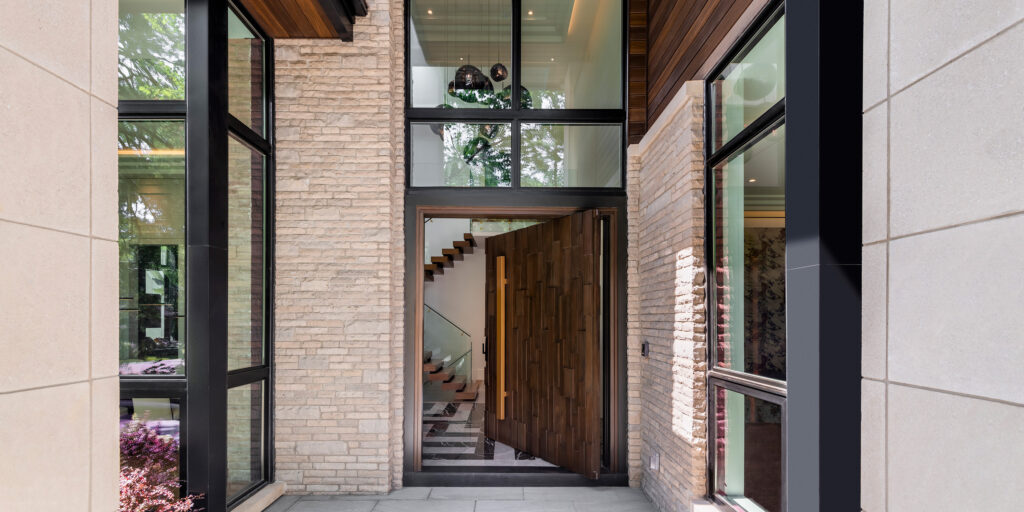
Before a custom door leaves the workshop, it undergoes extensive testing. This includes:
- Checking alignment
- Ensuring smooth pivot or hinge operation
- Verifying structural strength
- Testing thermal seals and insulation
- Inspecting every detail for precision
The door must feel solid, move smoothly, and display perfect craftsmanship. A grand entrance door isn’t just seen — it is experienced through touch and motion
7. Installation: The Final Transformation
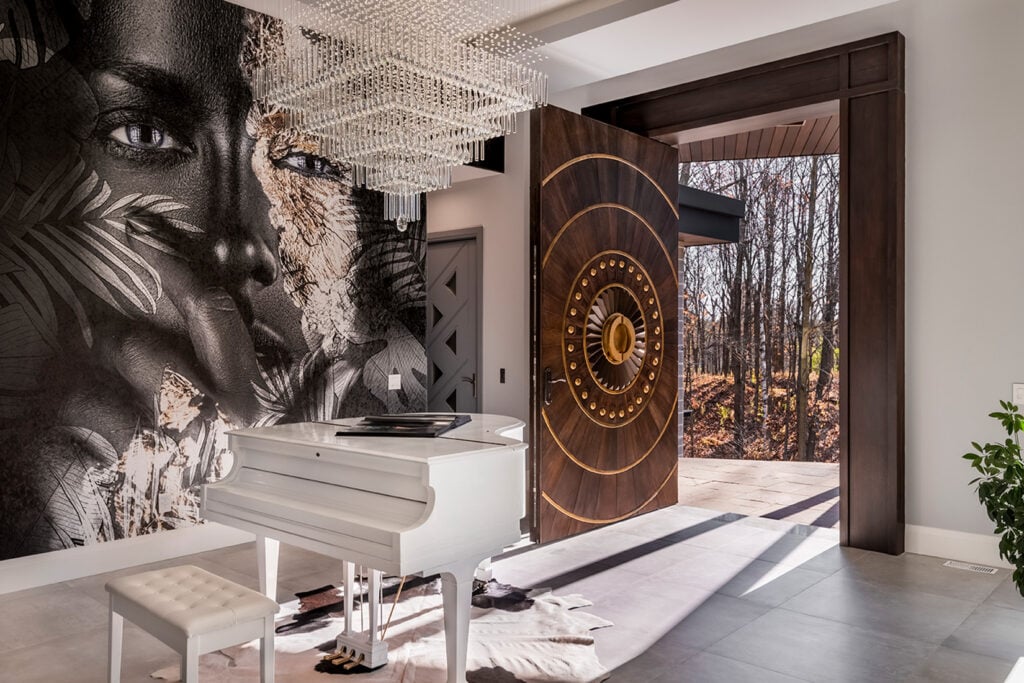
Installation is the moment everything comes together. The sketches, the craftsmanship, the materials — all of it merges into a final piece that becomes part of the home’s identity.
Art Boulle’s installation team ensures:
- The frame is perfectly aligned
- Hardware is precisely fitted
- Weather seals are flawless
- Operation is effortless, even for oversized doors
- The door integrates seamlessly with the existing architecture
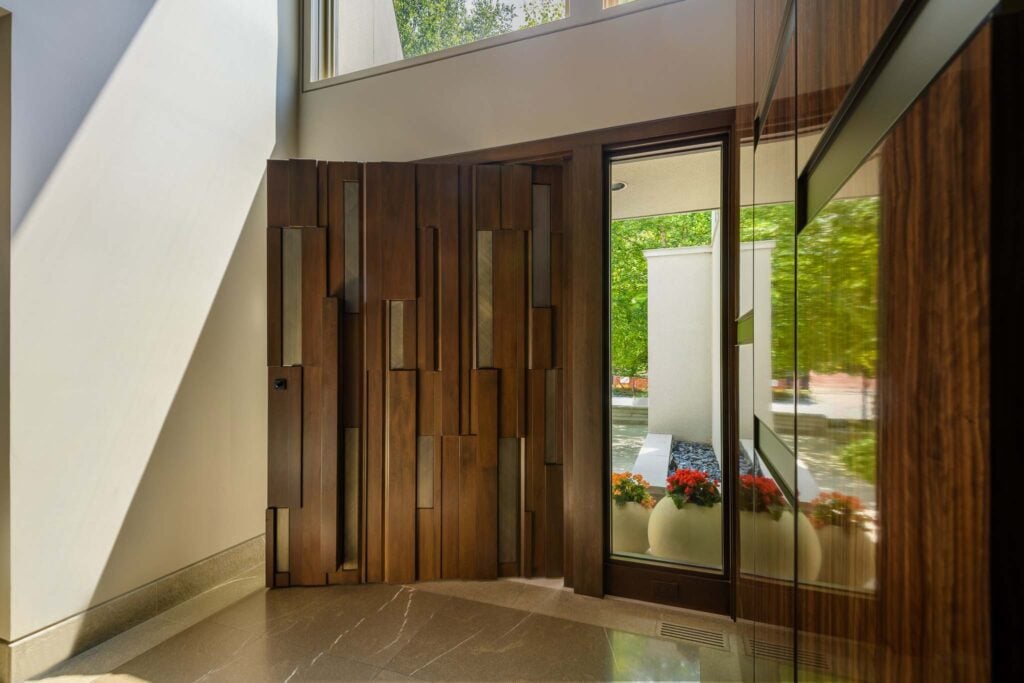
Once installed, the door becomes what it was always meant to be — an invitation, a boundary, a work of art.
A Door Is a Journey, Not a Product
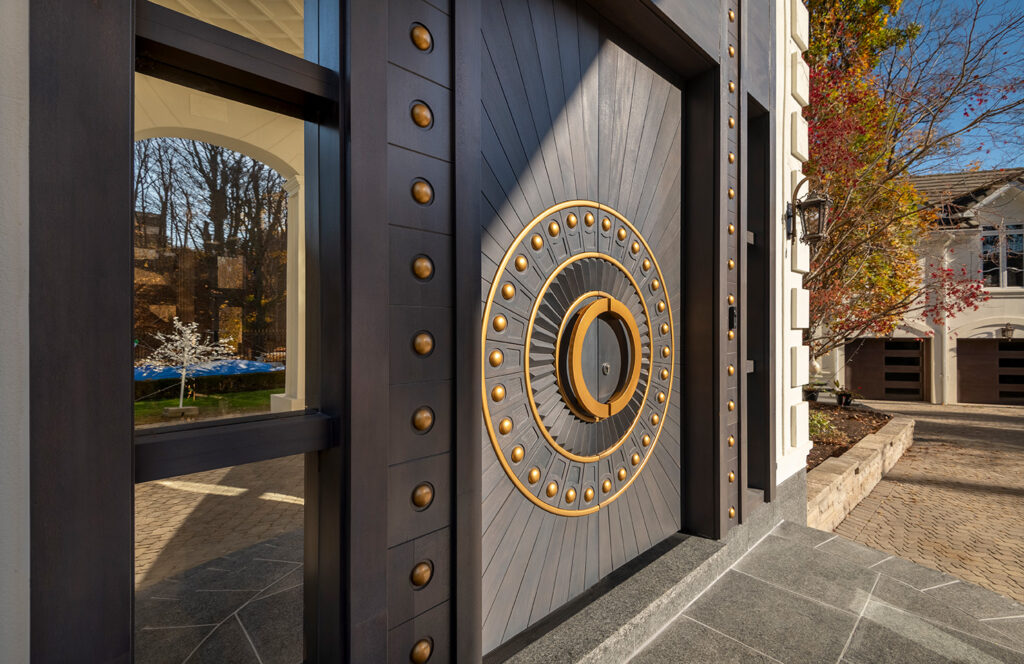
A custom door is not manufactured; it is crafted. Its creation is a collaboration of imagination, engineering, and artistry. From the first sketch to the final installation, the process reflects a commitment to excellence that elevates the entire home.
At Art Boulle, this journey is at the heart of everything we create. Each door is born from a vision and transformed into a living architectural statement.
To explore what a custom door can become for your home, visit ArtBoulle.com — where every entrance begins with an idea and ends with a masterpiece.