
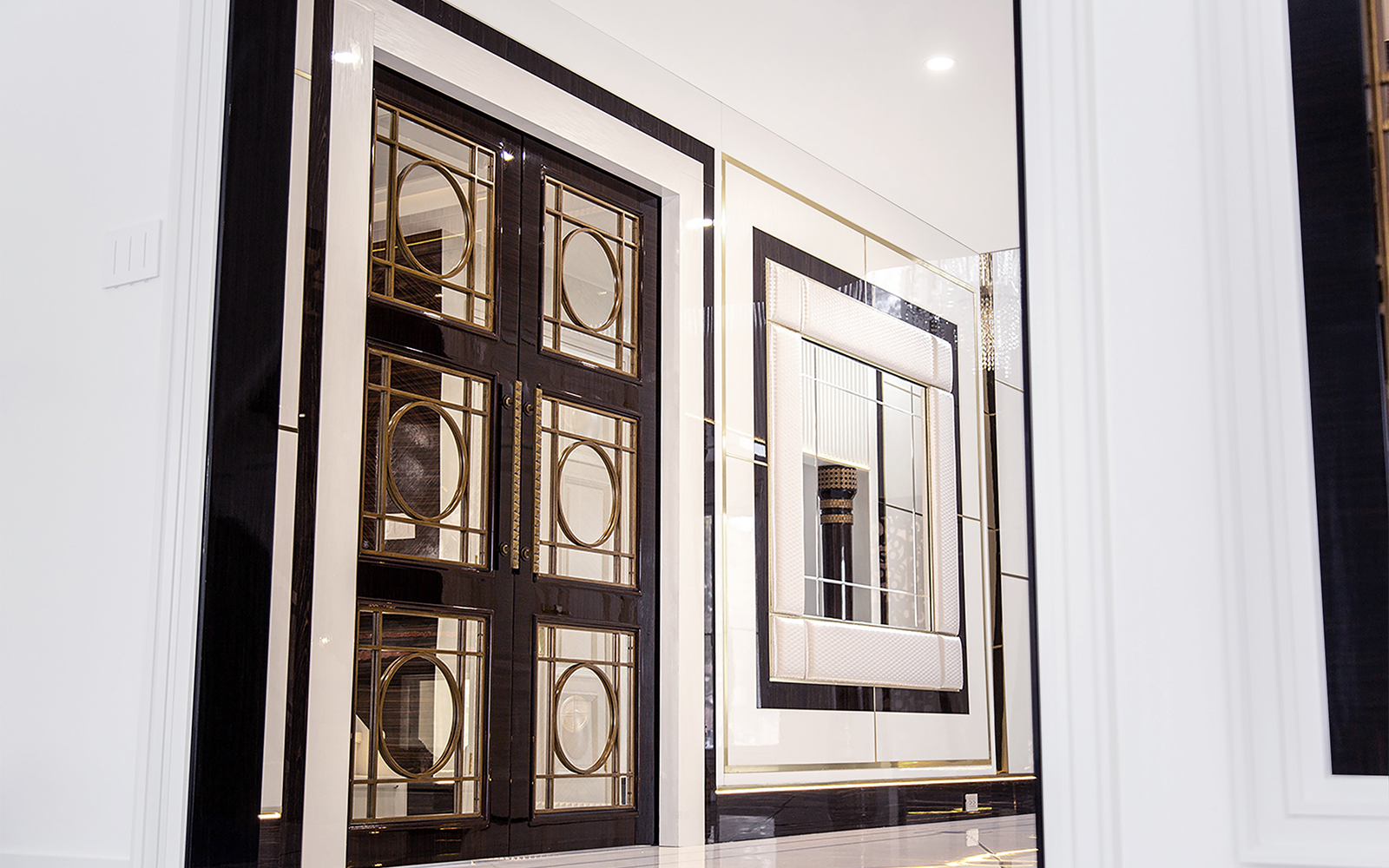

In contemporary luxury homes, sliding doors have evolved far beyond their functional role. They are now considered architectural elements that shape how interiors are experienced, how spaces relate to one another and how movement flows throughout the home.
When thoughtfully designed, sliding doors contribute to a sense of clarity and balance that defines high-end interiors.
At Art Boulle, sliding doors are conceived as part of the architecture itself. They are designed to feel intentional, refined and integrated into the overall language of the home rather than applied as a secondary feature.
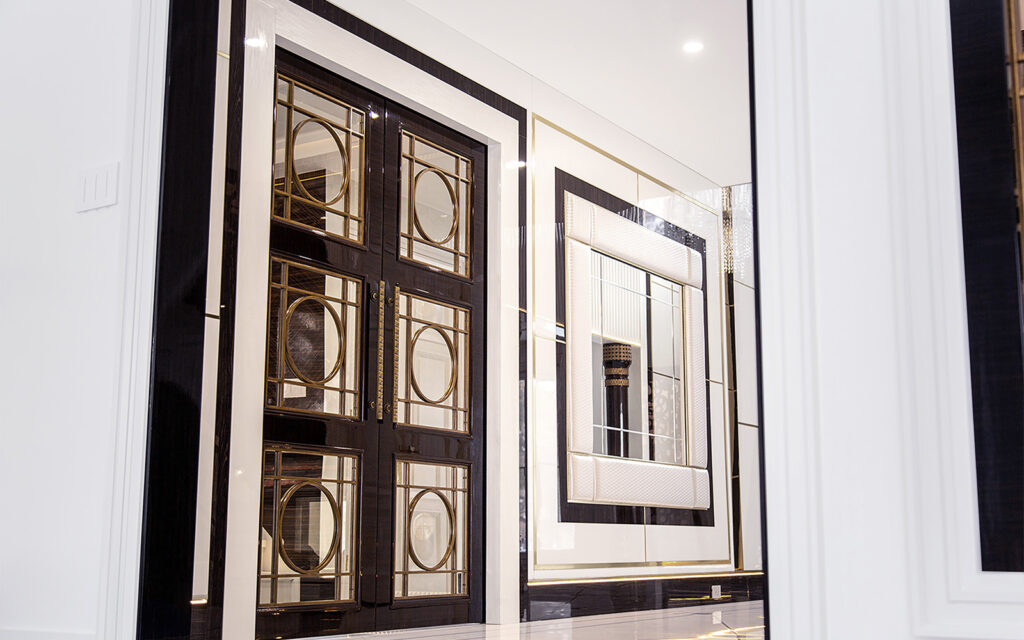
The architectural logic behind sliding doors
From an architectural perspective, sliding doors allow designers to manage space without interrupting visual continuity.
Unlike hinged doors, which impose physical and visual boundaries, sliding systems offer controlled transitions between openness and separation. This enables interiors to adapt naturally to different moments of use, whether the home is open for entertaining or composed for privacy.
In luxury interiors, this flexibility is essential. Spaces must feel expansive yet defined. Sliding doors make this possible by maintaining alignment, proportion, and sightlines while offering subtle control over how rooms interact.

Spatial flow and proportion
Well-designed luxury interiors rely heavily on proportion. Sliding doors support this by allowing large openings to exist without visual clutter. When doors are recessed, pocketed, or minimally framed, they preserve the intended scale of the architecture rather than competing with it.
This approach creates interiors that feel calm and resolved. Spaces connect seamlessly, and movement through the home feels intuitive. Sliding doors do not demand attention. Instead, they support the architecture by reinforcing rhythm and balance across rooms.

Material selection and visual restraint
Material choice is central to the success of sliding doors in luxury interiors. Wood introduces warmth and depth, making it ideal for private or intimate spaces.
Architectural metals, often paired with glass, offer precision and refinement suited to contemporary settings. Glass panels allow light to move freely while maintaining a sense of separation.
The most successful sliding doors rely on restraint. Materials are selected not for decoration, but for their ability to complement surrounding finishes and architectural intent. This ensures the doors feel timeless rather than trend-driven.
The experience of movement
In high-end interiors, the way a door moves matters as much as how it looks. A well-crafted sliding door should glide with consistency and control, offering a sense of weight and balance without effort. The absence of noise, resistance, or instability is a clear indicator of quality.
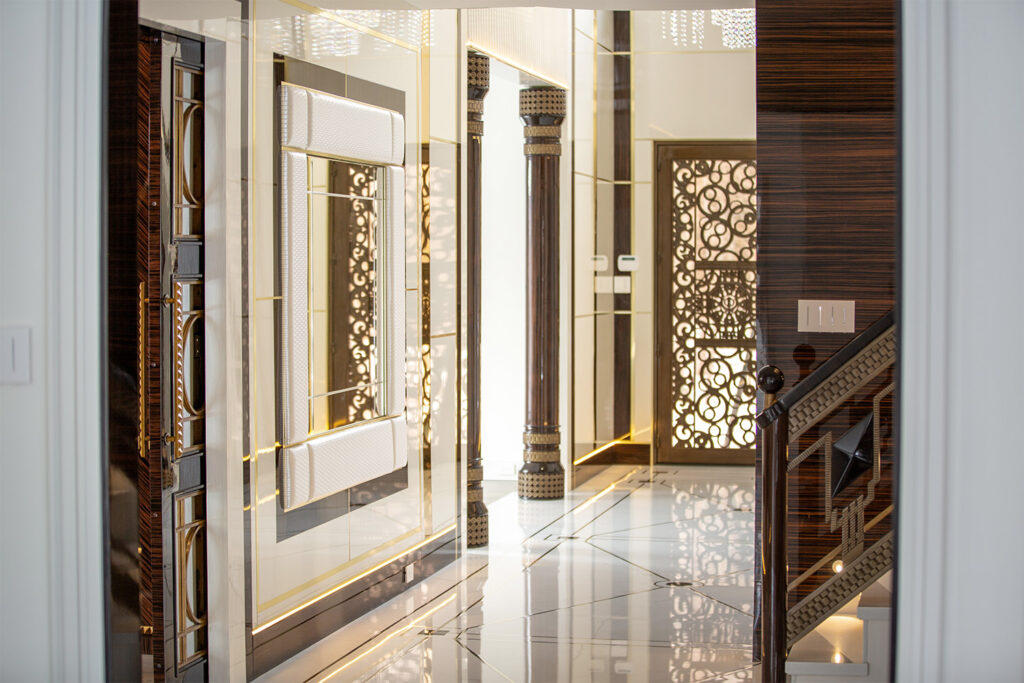
This tactile experience is often overlooked, yet it plays a significant role in how a home feels on a daily basis. Sliding doors that move with precision reinforce the perception of craftsmanship and attention to detail throughout the interior.
Sliding doors as architectural features
Rather than acting as simple partitions, sliding doors often become defining features within luxury interiors. Large panels, custom finishes, and carefully considered proportions allow these doors to anchor spaces visually.
When closed, they introduce structure and rhythm. When open, they dissolve into the architecture, allowing rooms to merge seamlessly.
This dual role is especially valuable in modern homes, where flexibility and openness must coexist with moments of privacy and separation.
Function guided by design
Luxury interiors demand adaptability without compromise. Sliding doors support this by allowing homeowners to reconfigure spaces effortlessly.
Living areas can be opened entirely for gatherings, then quietly segmented into more intimate zones as needed. This balance between function and elegance reflects long-standing architectural principles. Spaces are not static.
They respond to use, light, and movement while maintaining a consistent design language.

Longevity and timeless appeal
Sliding doors, when designed with architectural intent, age gracefully. Their simplicity, proportion, and material honesty allow them to remain relevant as interiors evolve. This is particularly important in luxury homes, where design decisions are made with long-term value in mind.
At Art Boulle, sliding doors are created to endure both aesthetically and structurally. Each element is considered to ensure harmony with the home over time, rather than adherence to short-lived trends.
Conclusion
Sliding doors have become essential elements in luxury interiors, not because of novelty, but because of their architectural intelligence. They support spatial clarity, enhance movement, and contribute to a composed living environment.
When crafted with precision and guided by proportion, material integrity, and restraint, sliding doors elevate the interior experience.
They become part of the architecture itself, shaping spaces that feel balanced, thoughtful, and enduring.